







About this product
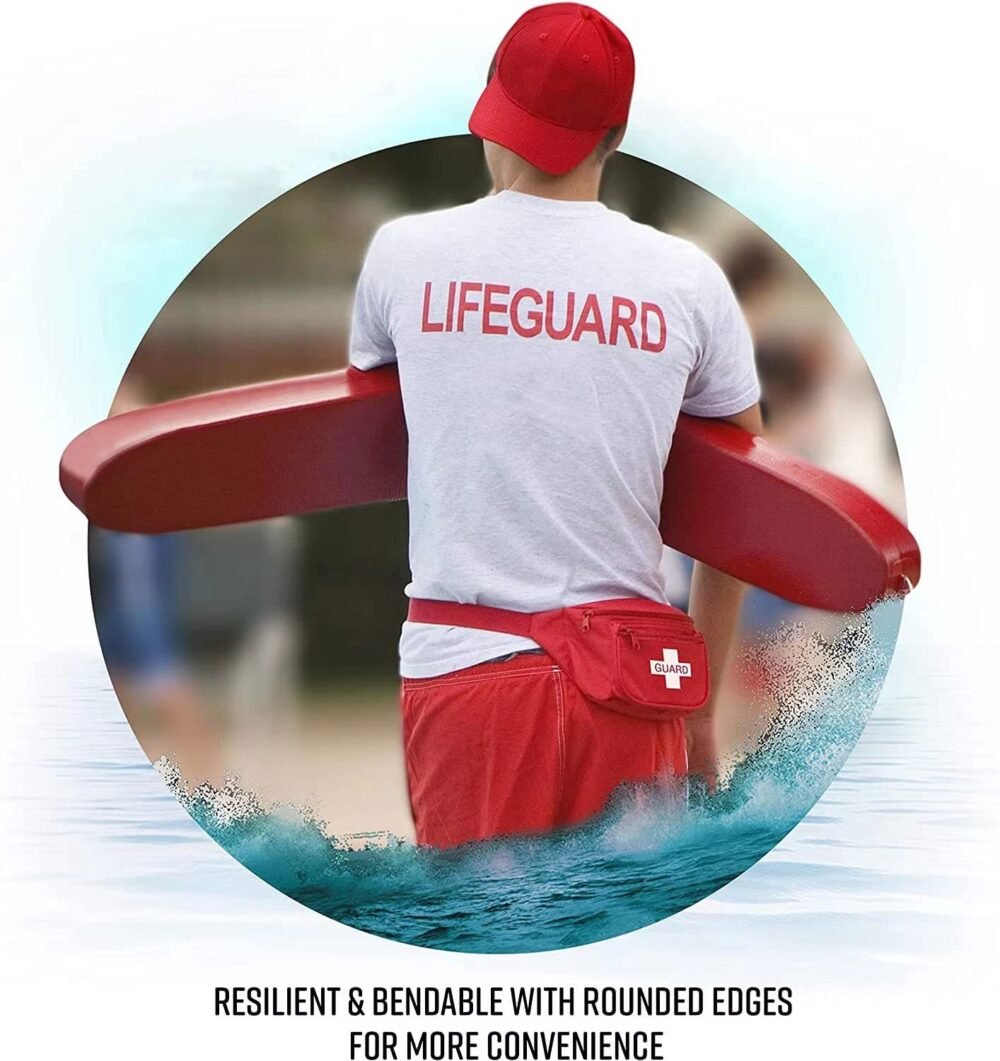
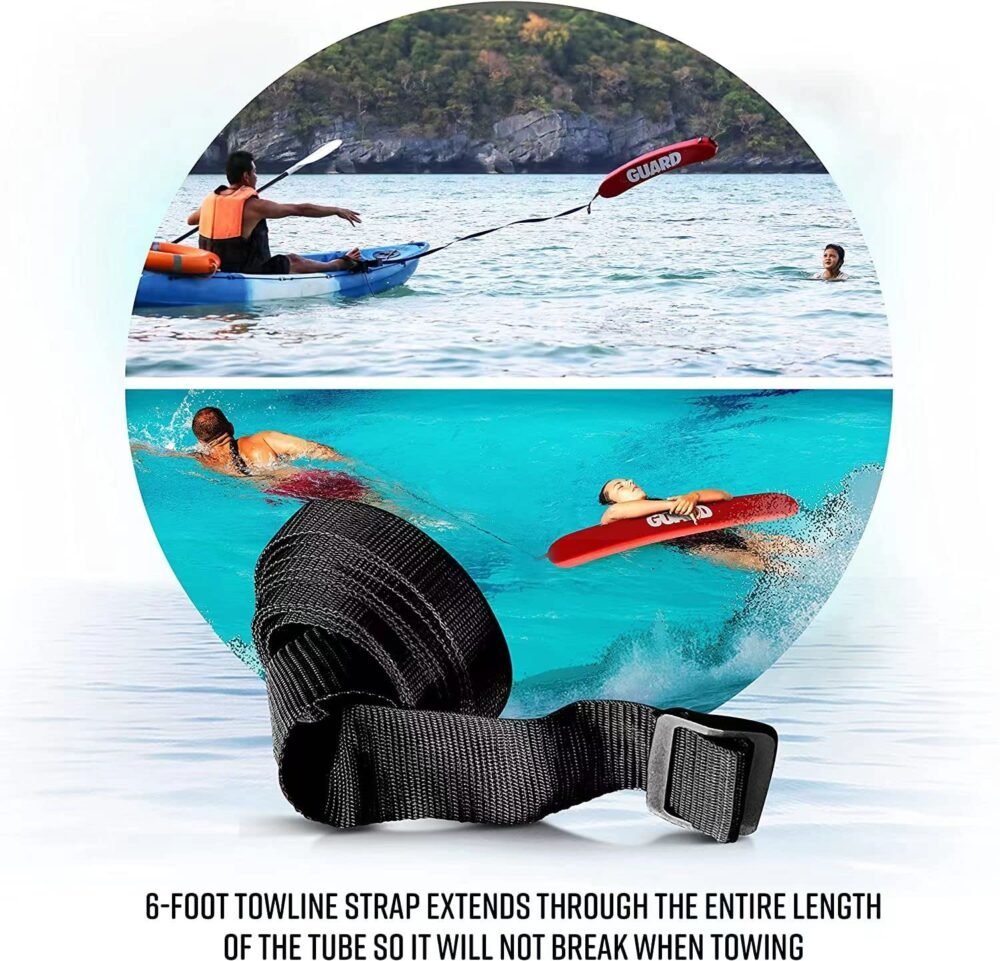
A rescue tube is the tool a lifeguard swims with. The guard enters the water with the tube trailing on its shoulder line, reaches the casualty, pushes the tube to them or wraps it around them, clips it, and tows them in. It gives the casualty something to hold that is not the rescuer – which is what keeps a panicking swimmer from climbing onto the person trying to help them, the way drownings of rescuers usually happen.
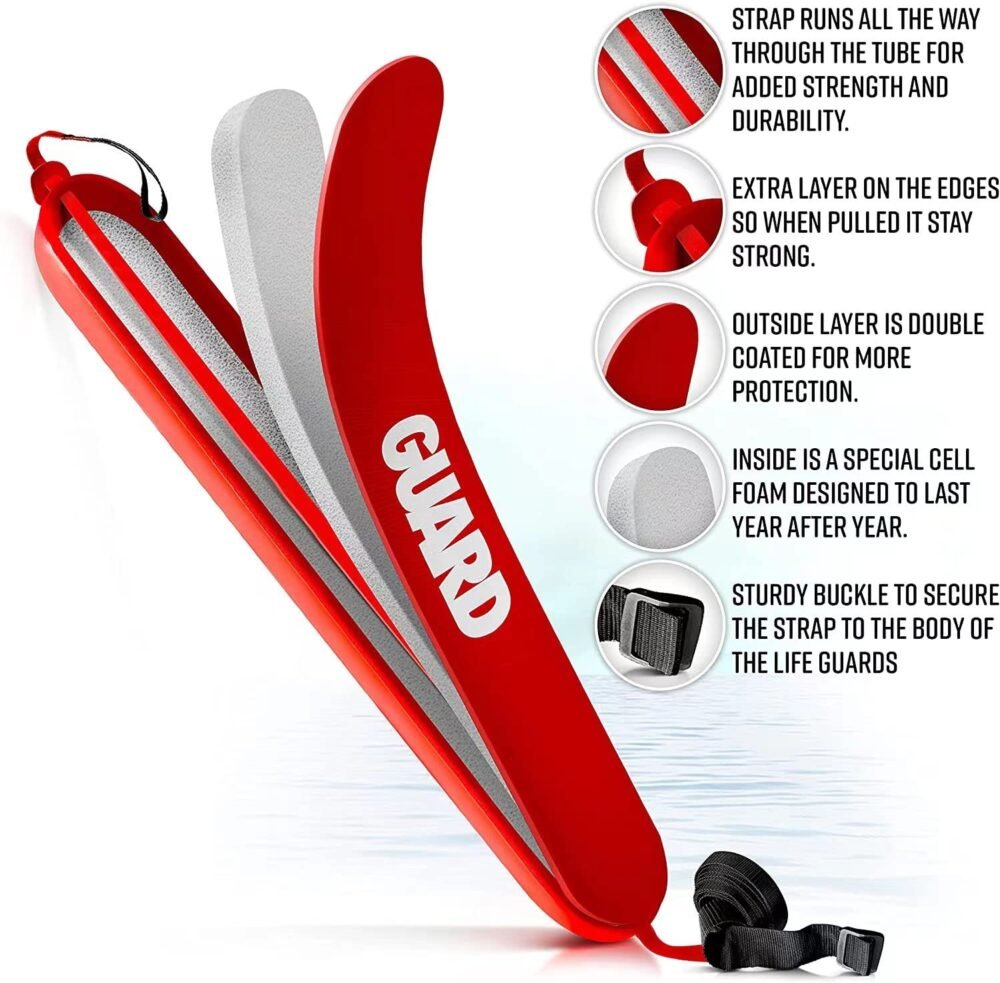
Construction is what separates a real rescue tube from a pool toy in the same shape. The foam is closed-cell, so it does not absorb water and does not lose buoyancy across a long shift. The vinyl skin is hand-dipped in several coats, thick enough to take sun, chlorine, salt and constant dragging across concrete. And the nylon tow strap runs through the entire length of the tube rather than being fixed to the ends of the foam, so the load of towing an adult is carried by the webbing.
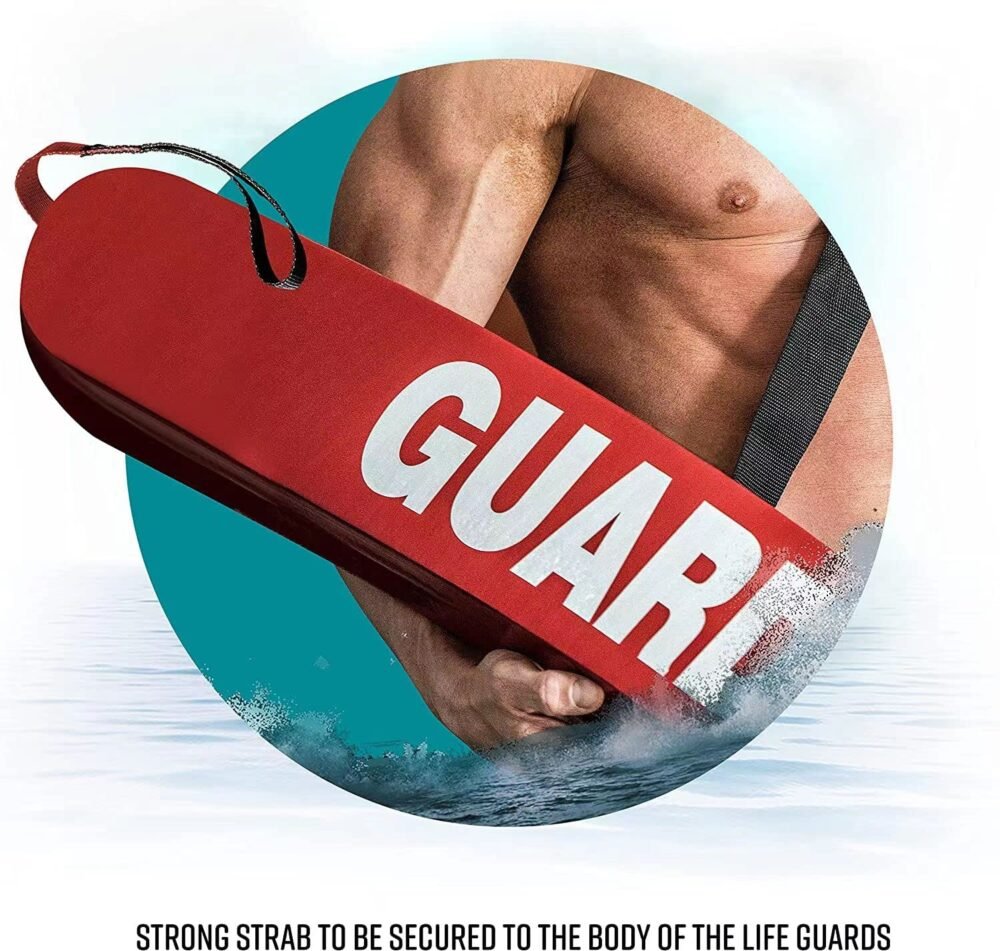
The shoulder line is the other detail that matters. It lets a guard wear the tube across the body while walking the deck, scanning, and running – and then swim with it trailing behind rather than held in a hand. A rescue tube that has to be carried is one that gets put down.
This belongs at any pool with a guard on duty, at swimming schools, at hotel and resort pools, and at supervised beaches. It is equipment for trained personnel: a tube does not make anyone a lifeguard, and the training in how to approach a panicking casualty is what actually makes a rescue safe. Look after it the way you would any safety equipment – rinse it, keep it out of long sun, and check the strap, the clip and the skin at the start of each season.
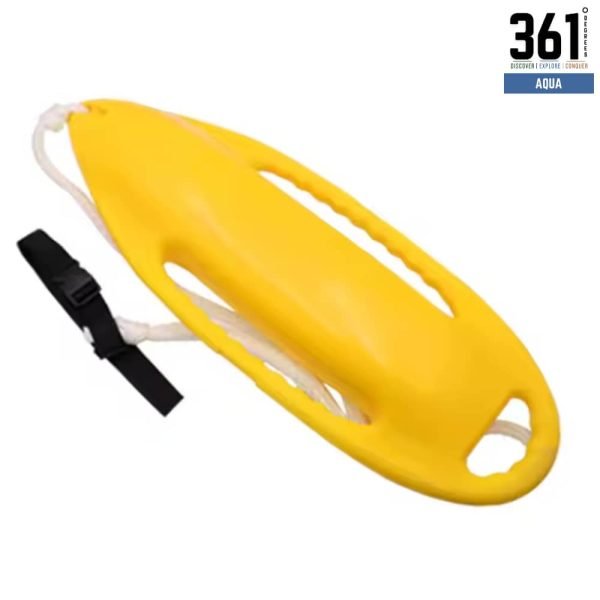
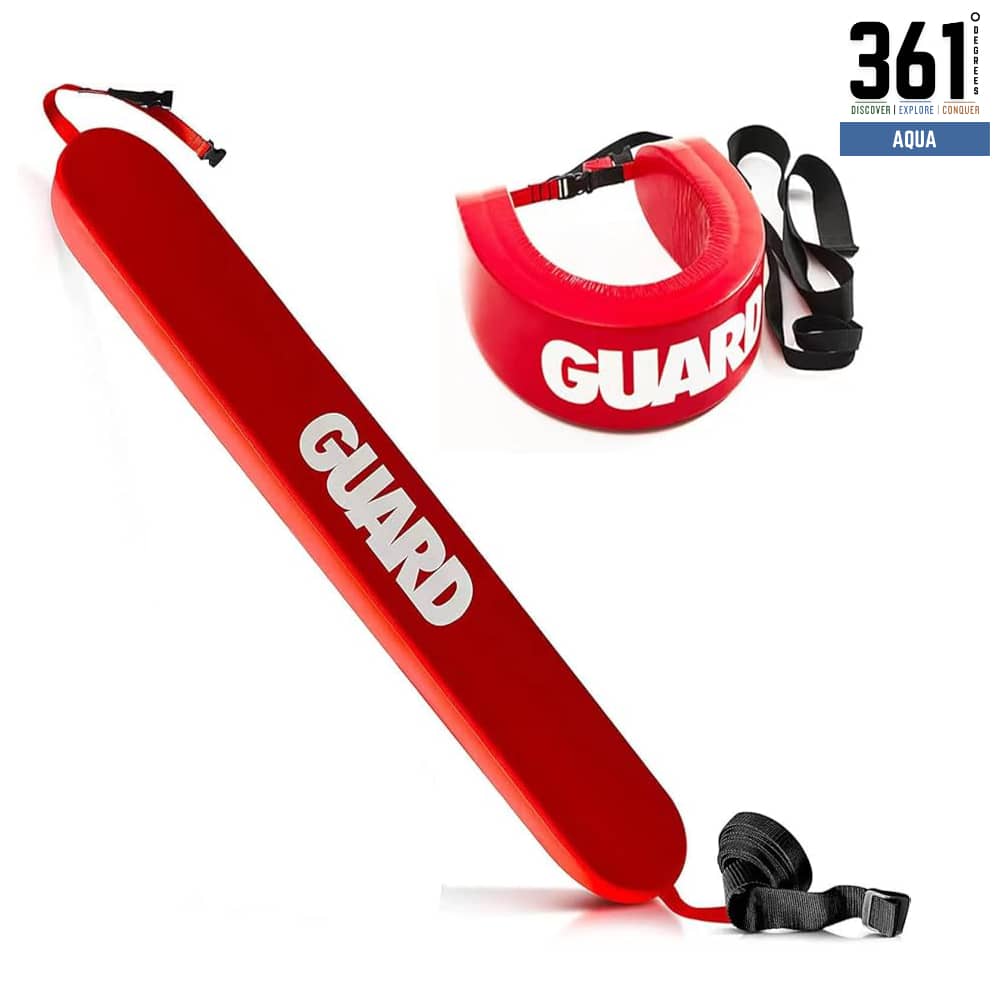
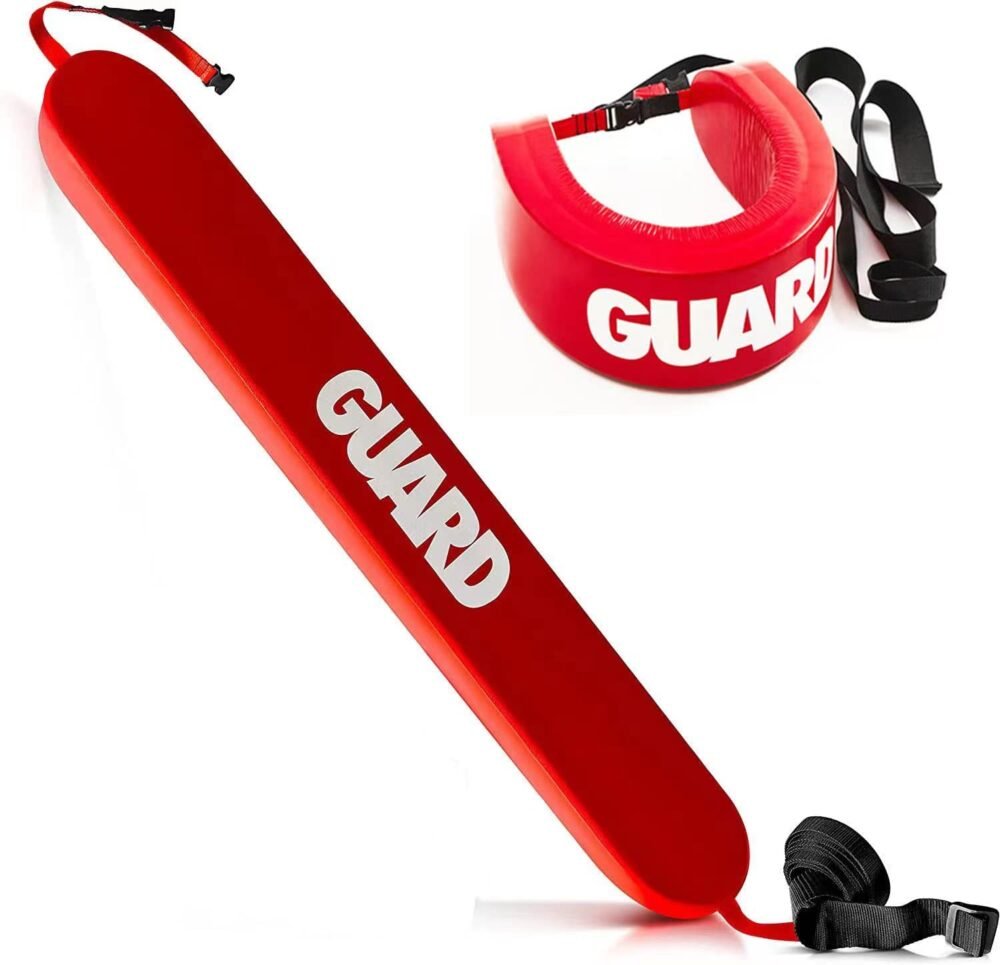
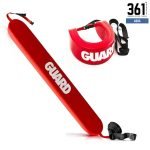 Lifeguard Rescue Tube - Closed-Cell Foam with Tow Strap and Shoulder Line