








About this product
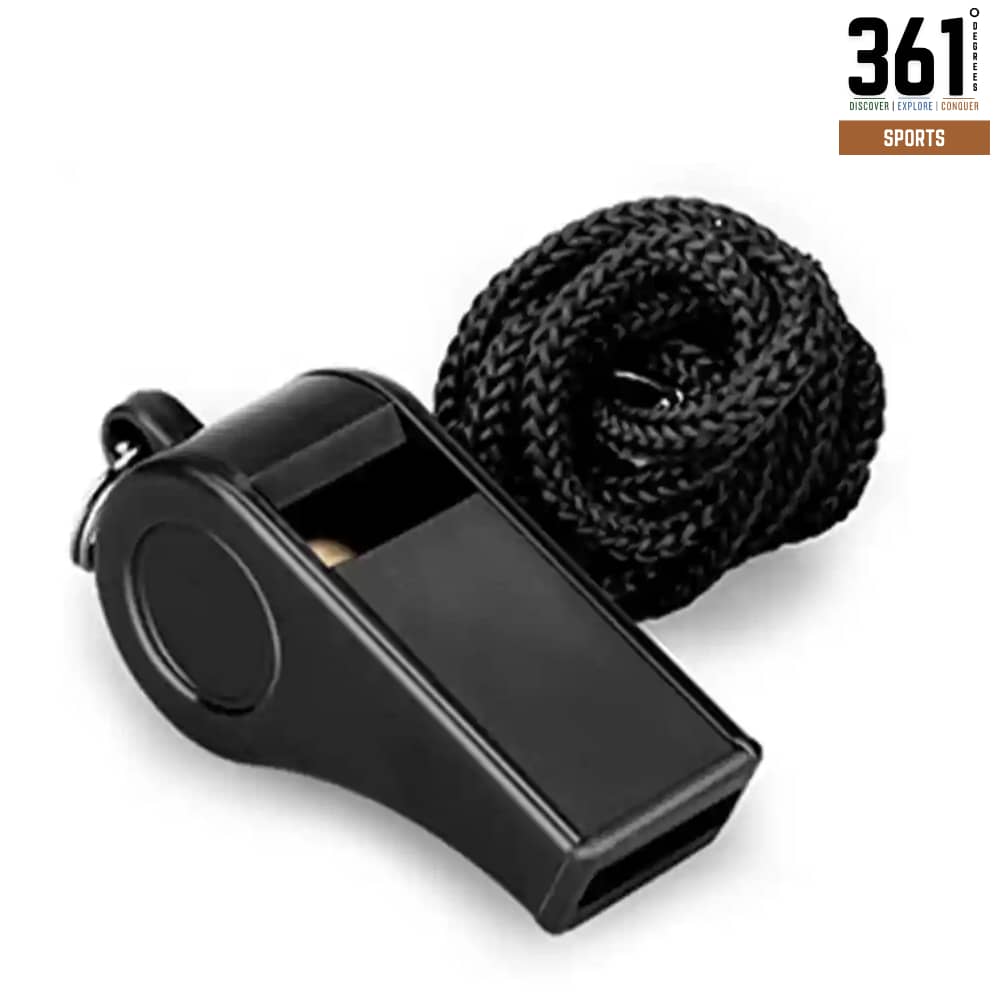
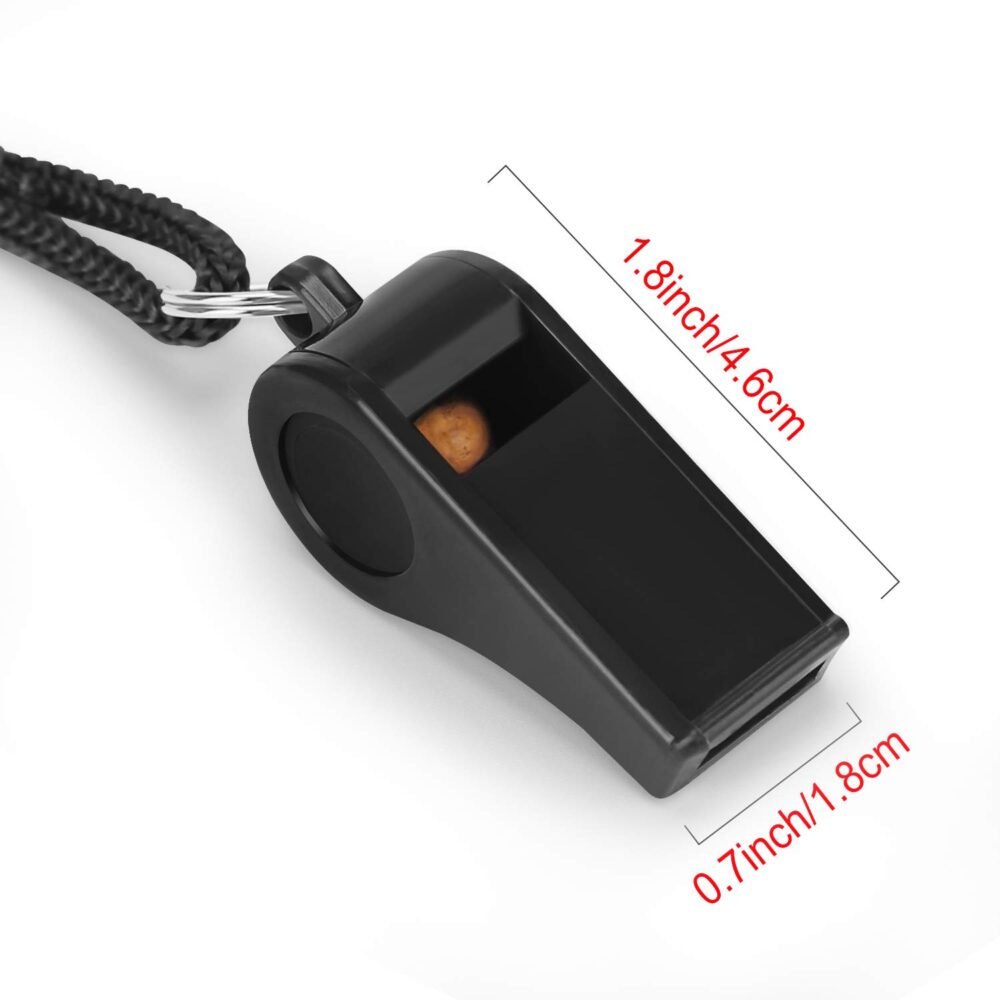
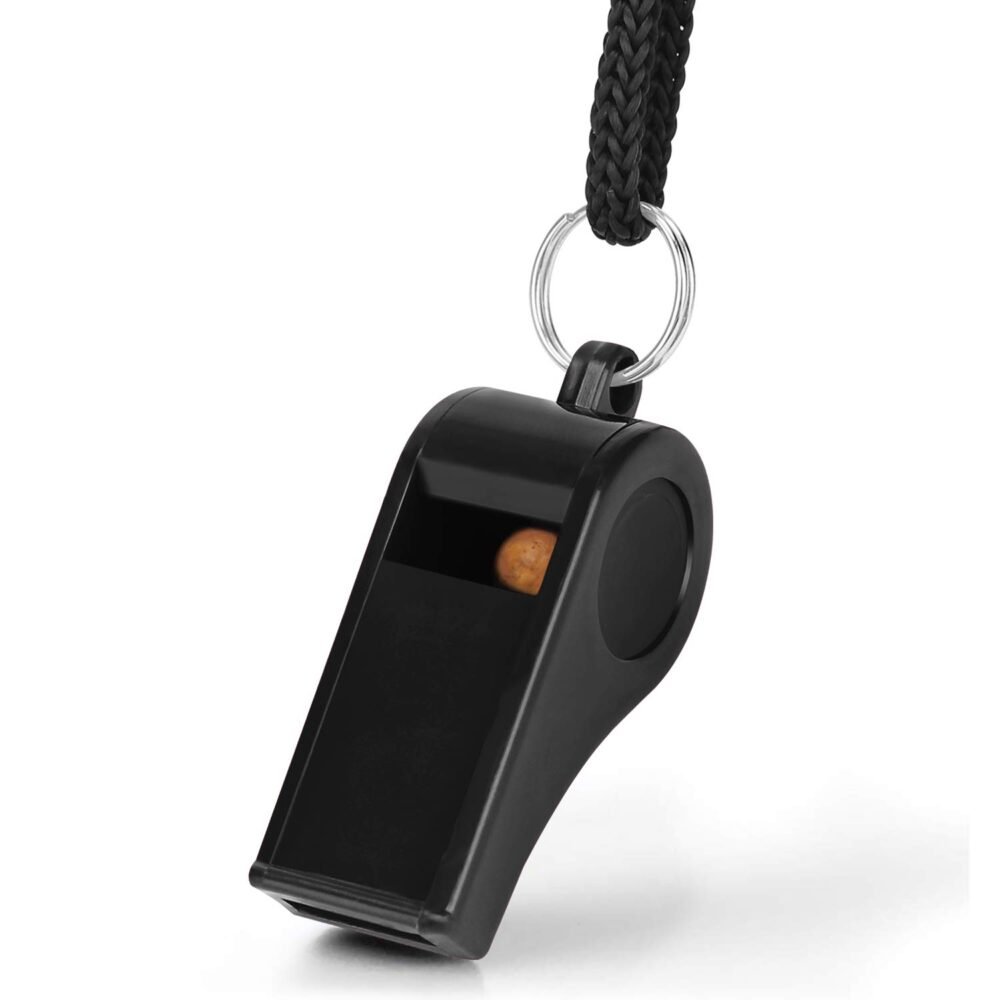
A plastic referee’s whistle, model 820025, supplied with a lanyard.
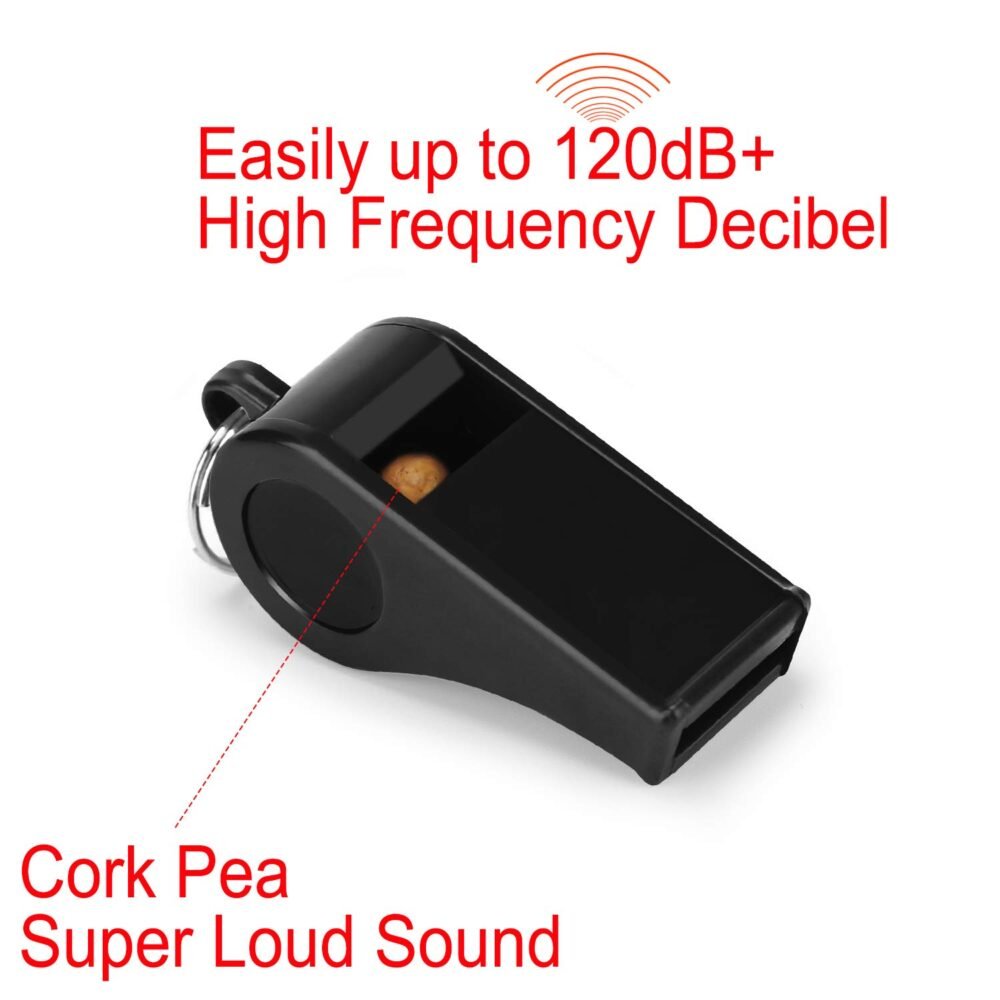
A whistle is a referee’s only means of stopping play, and everything about its design follows from that. The tone is shrill and penetrating because it has to cut through crowd noise, wind and distance – a pleasant-sounding whistle is a useless one. The classic pea whistle produces its warble from a small ball rattling inside the chamber, which breaks the tone up and makes it far more noticeable than a pure tone would be.
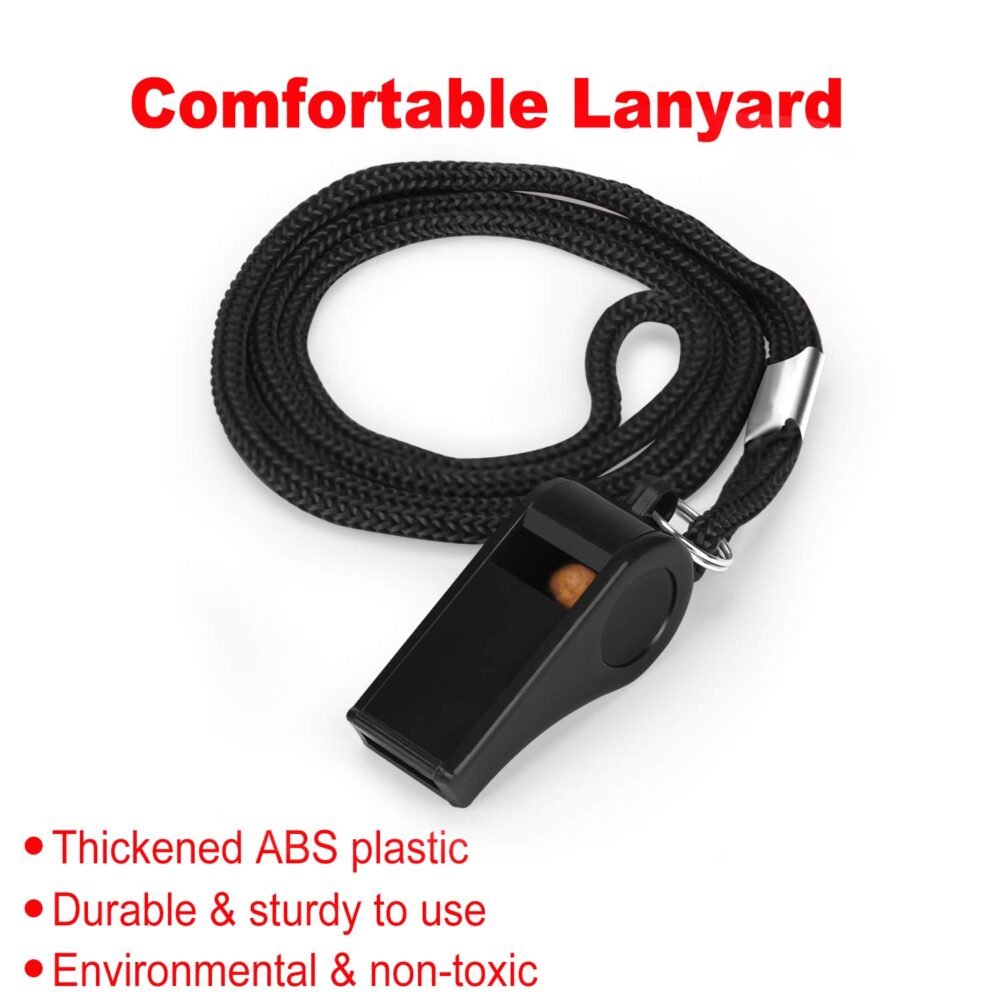
Plastic rather than metal is the sensible choice here, and for two reasons. A metal whistle can stick to the lips in cold conditions, which is not a Tanzanian problem, but metal also corrodes in coastal air, which very much is. A plastic whistle is unaffected by salt.
The lanyard is worth using around the wrist rather than the neck. A whistle on a neck cord is a genuine hazard if an official collides with a player, and most referee guidance is to wear it on the hand.
The practical advice every experienced official gives: carry a spare. A whistle that gets blocked by moisture, dropped in mud or lost in a collision ends the match, because there is no way to restart play without one. Two whistles cost almost nothing and one lives in a pocket.
Rinse it after matches, particularly a pea whistle – the ball inside can jam with grit or dried saliva, and a jammed whistle sounds thin and quiet exactly when it needs to be loud.


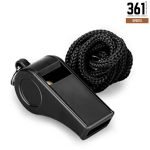 Referee’s Whistle Plastic with Lanyard