







About this product
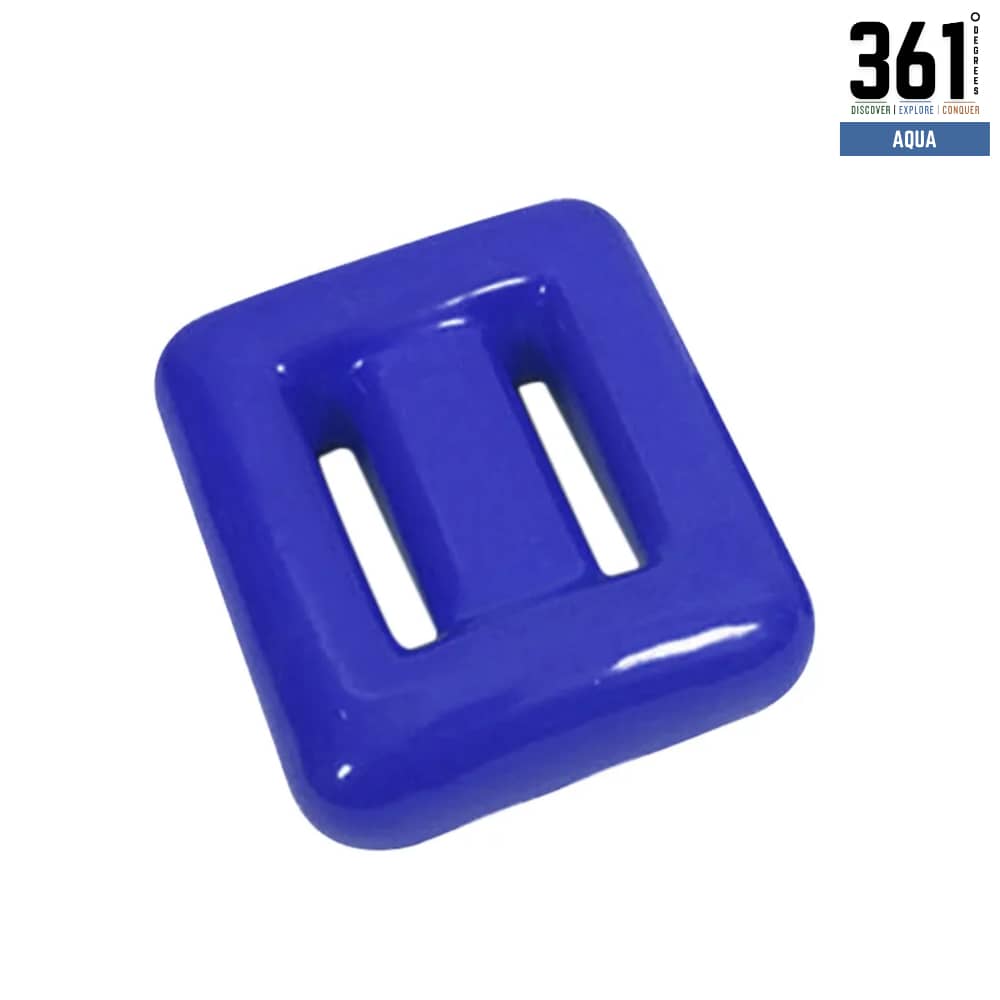
These are the standard block weights that thread onto a scuba weight belt, in a PVC coating. They come in half-kilogram steps from 0.5 kg to 4 kg, which is what lets you get the weighting right rather than roughly right.
The coating does three useful jobs. It keeps the lead off your skin and your gear – uncoated lead oxidises to a grey powder that marks wetsuits, boat decks and hands. It protects the block from salt water, so the weights last rather than crumbling at the edges after a season. And it takes the sharpness off the corners, which matters when a 4 kg block slips out of your hand over a fibreglass hull or your own foot.
Weighting is worked out in the water, not from a chart. Float upright at the surface holding a normal breath, with a nearly empty cylinder. Correctly weighted, you float at eye level and sink slowly as you breathe out. Being over-weighted is the commonest fault in recreational diving – it forces you to swim slightly upwards the whole dive, which burns air and wrecks your trim. Being under-weighted means you cannot hold a safety stop at the end, which matters more.
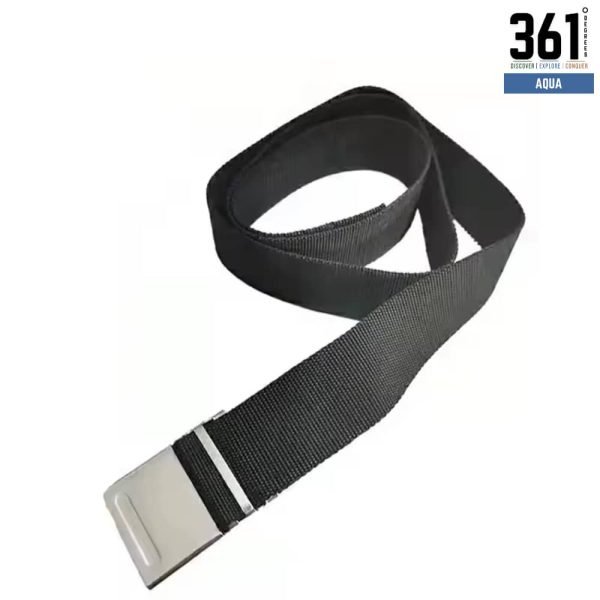
Slide the blocks onto the belt with the slot flat against the webbing, and set them either side of the hips rather than all at the back. Put them on before you pick the belt up in one hand, and count them – working out at 15 metres that you are a kilo light is a wasted dive.
Lead is a heavy metal. The coating is there to keep it off your skin, so check the blocks for splits and replace one where the coating has failed and bare lead is showing. Wash your hands after handling damaged weights, and keep them away from children.
 PVC-Coated Scuba Diving Lead Weights - 0.5 kg to 4 kg Block Weights