





Tanzania's 1st all-in-one recreational store!
0
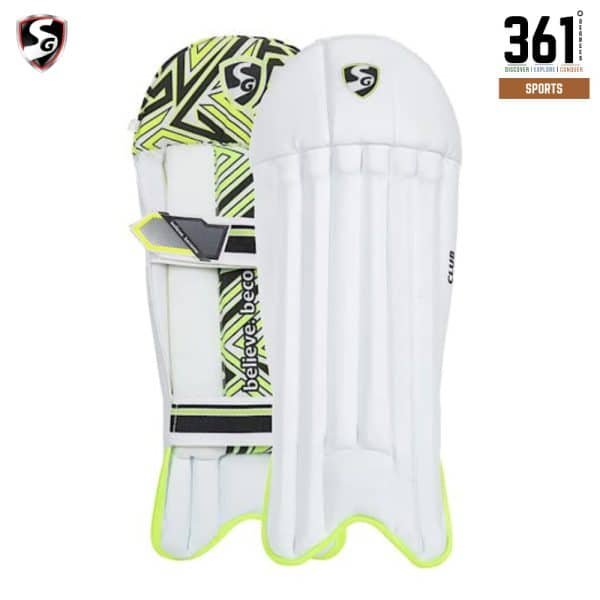
SG Campus Wicket Keeping Pads - Moulded and LightweightSG Campus Wicket Keeping Pads - Moulded and LightweightSG Campus Wicket Keeping Pads - Moulded and LightweightSG Campus Wicket Keeping Pads - Moulded and Lightweight
SG · SKU B731

SG Campus Wicket Keeping Pads - Moulded and Lightweight

Cricket Pads

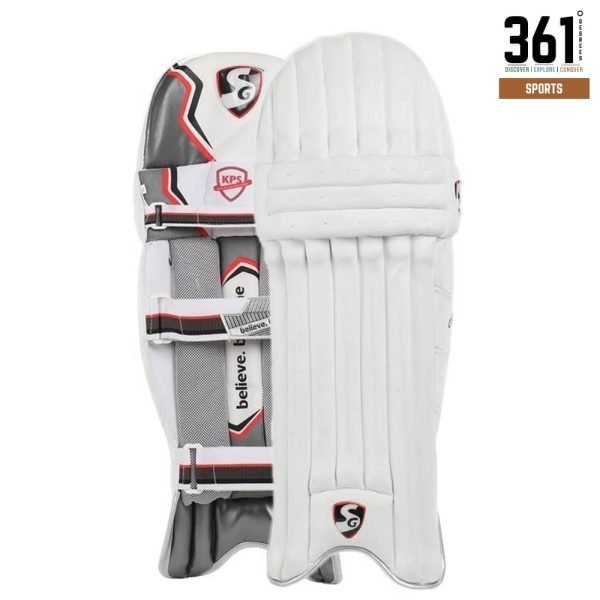
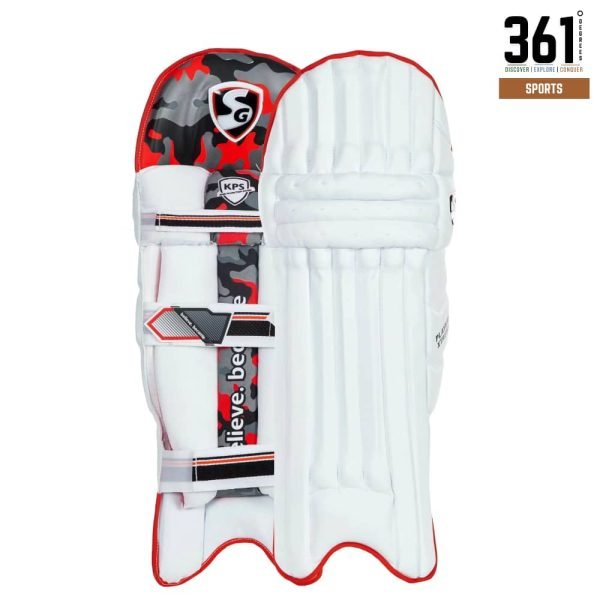
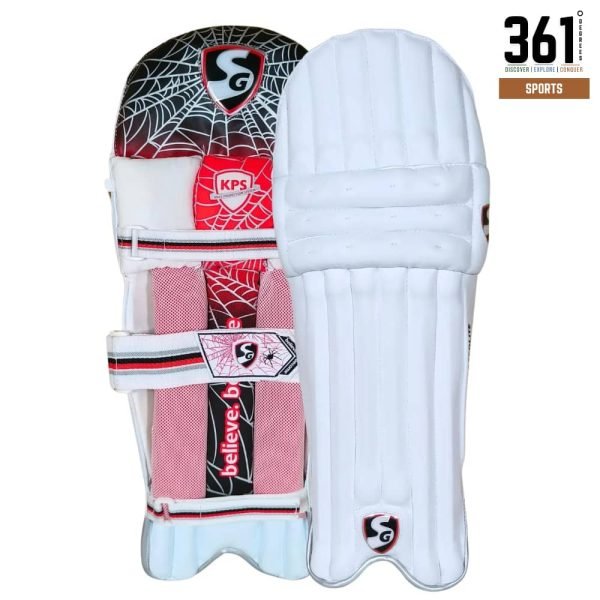
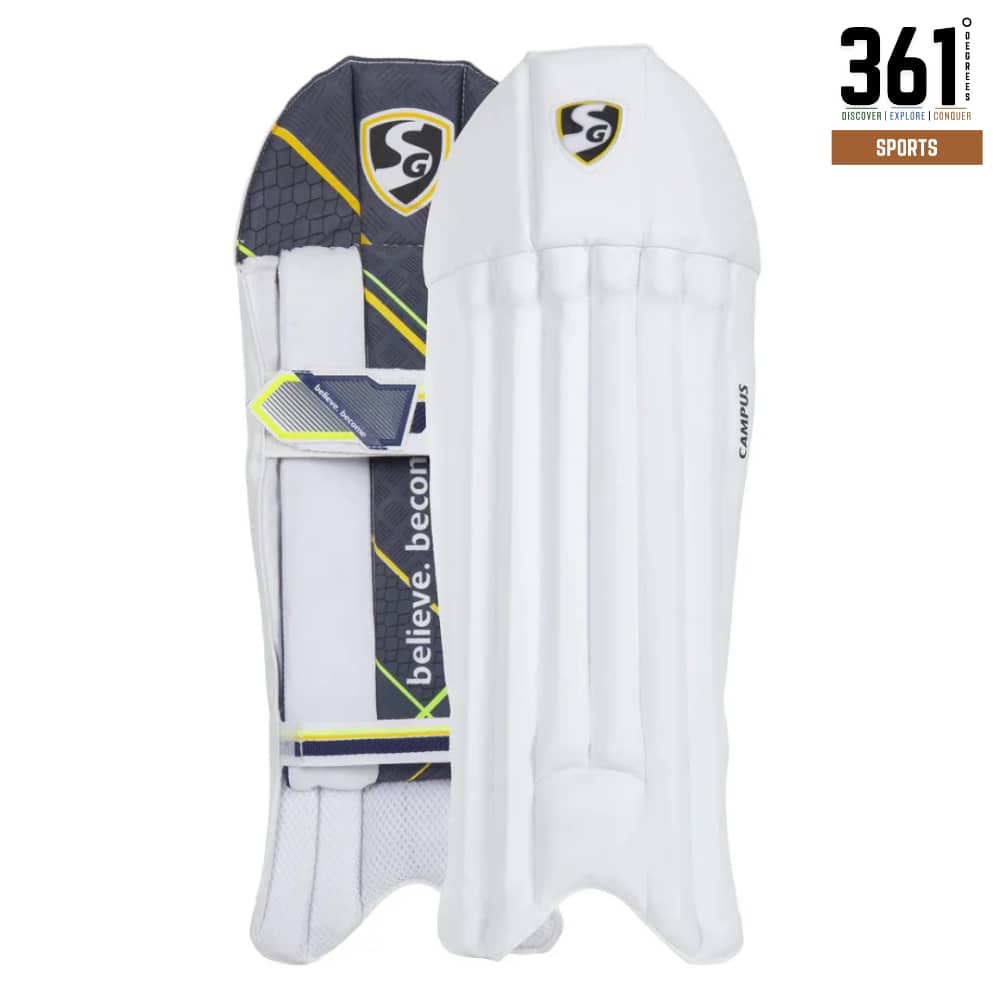
Moulded keeping pads built for agility: high-density foam, a wrap-around fit and a heavy-duty instep. Keeping pads are smaller and lighter than batting pads for a reason, and these take that further.

TZS100,000+ VAT
Out of stock

Out of stock

DeliveryDelivered across Tanzania with additional delivery charges.
Visit our showroom to pick upOpen in Google Maps
Payment Options
  • Cash on Delivery. You can pay cash at our store on pickup, or pay the rider upon delivery (Dar es Salaam only).

  • Pay by Lipa Number

    M-PesaYasAirtel MoneyHalotelSelcom
  • Pay by Card

    VisaMastercardAmerican ExpressDiscoverUnionPay
  • Pay by Apple Pay or Google Pay

    Apple PayGoogle Pay
Highlights

A keeper has to move, not block

Batting pads are built to stop a ball at speed. Keeping pads are built so you can crouch three hundred times, dive both ways and sprint to the stumps. They are smaller, lighter and more flexible on purpose - and a keeper wearing batting pads is a keeper who cannot get down.

Moulded and lightweight

Built around agility rather than maximum blocking area.

High-density foam

Impact absorption concentrated where a ball actually reaches the leg.

Wrap-around fit

Holds the pad against the leg through crouching and diving, rather than flapping.

Heavy-duty instep

The part that takes the ground every time a keeper goes down, reinforced.

Product description

About this product

These are moulded wicketkeeping pads, built light and shaped for movement.

Keeping pads and batting pads are different tools and it is worth knowing why. A batsman-s pads exist to stop a ball travelling at speed at the leg, so they are broad, heavily padded and built to block. A keeper-s pads exist to protect against balls that have already lost most of their pace – deflections, edges, bounces off the gloves – while allowing the keeper to crouch several hundred times an innings, dive to both sides and sprint to the stumps. So they are narrower, lighter, shorter and much more flexible.

A keeper wearing batting pads is a keeper who cannot get down properly, cannot dive, and will be exhausted by the twentieth over. It is a common sight in club cricket and it is worth correcting.

These take the lightweight approach further with moulded construction rather than traditional cane rods and cotton bolsters. Moulded pads are lighter and hold their shape through movement, which is what a keeper wants; they are stiffer at the knee than a traditional pad, which matters less for keeping than for running between wickets.

The wrap-around fit is a real feature. A keeping pad that flaps around the leg when you dive is both slower and less protective, because the padding is not where the leg is.

The instep takes a beating in keeping – it is on the ground every time you go down. Heavy-duty construction there is the difference between a season and three.

Specifications

The details

BrandSG (Sanspareils Greenlands, Meerut, India)
ModelCampus wicket keeping legguard
ConstructionMoulded, lightweight, engineered for agility
PaddingHigh-density foam with cushioned shin support
FitWrap-around design
InstepHeavy duty, wear resistant
SizesJunior, Youth, Adult
Sold asOne pair
NotBatting pads - keeping pads are smaller and lighter by design
SKUB731
Questions

Good to know

Can I use batting pads for keeping?

You can, and you should not. Batting pads are broad, heavy and built to block a ball at speed. A keeper needs to crouch hundreds of times, dive both ways and sprint - and batting pads make all of that harder and more tiring. Keeping pads are smaller and lighter on purpose.

What is the difference between moulded and traditional keeping pads?

Moulded pads are formed as a shell: lighter, they hold their shape through movement, and they are stiffer at the knee. Traditional pads use cane rods and cotton bolsters: a little heavier, more flexible at the joint. For keeping, moulded is usually preferred because agility matters more than blocking.

How should keeping pads fit?

Snug and wrapped to the leg, so they do not flap when you dive. They should sit below the knee and leave the joint free to bend fully - a keeper who cannot get right down into a crouch has pads that are too long.

Which part wears out first?

The instep and the lower back of the pad, both of which are on the ground every time the keeper goes down. It is the busiest wear point in cricket kit.

How should protective equipment fit?

Snug enough that it does not move when you do, loose enough not to restrict you. Pads should let you run; gloves should let you grip without gaps at the fingertips; a helmet should not rock when you shake your head. Kit that moves on impact is protecting the wrong place at the wrong moment.

How do I look after protective gear in this climate?

Take it out of the bag the moment you get home and let it dry in the shade. Padding and straps that stay damp in a closed kit bag grow mould and rot within weeks here - far faster than the equipment wears out from use. This is the single thing that decides how long cricket kit lasts in Tanzania.

Does a keeper need a helmet as well?

Standing up to the stumps, yes. Standing back, most do not. Many governing bodies now require helmets for keepers standing up in junior cricket, and it is sensible practice at any level.

Do you deliver in Dar es Salaam?

Yes. We deliver across Dar es Salaam and ship nationwide to Arusha, Mwanza, Dodoma, Zanzibar and beyond. You can also collect from our shop.

SG Campus Wicket Keeping Pads - Moulded and LightweightSG Campus Wicket Keeping Pads - Moulded and Lightweight
TZS100,000+ VAT