





Tanzania's 1st all-in-one recreational store!
0
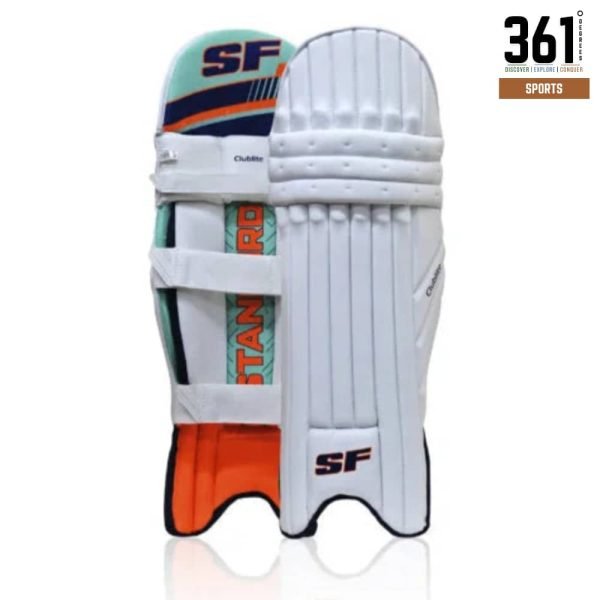
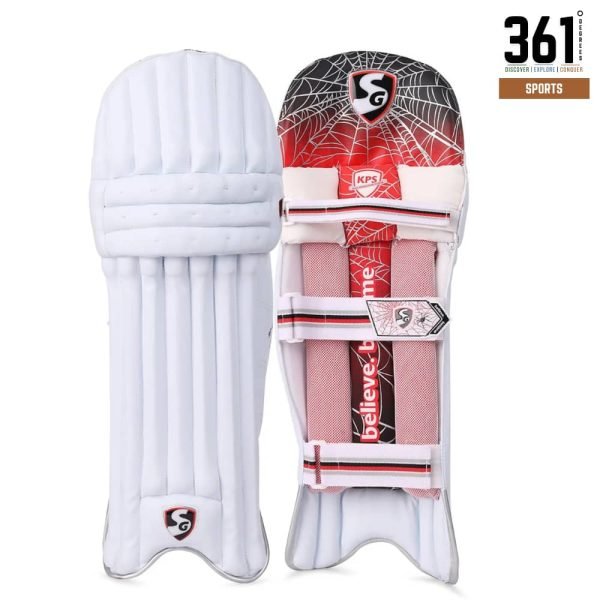
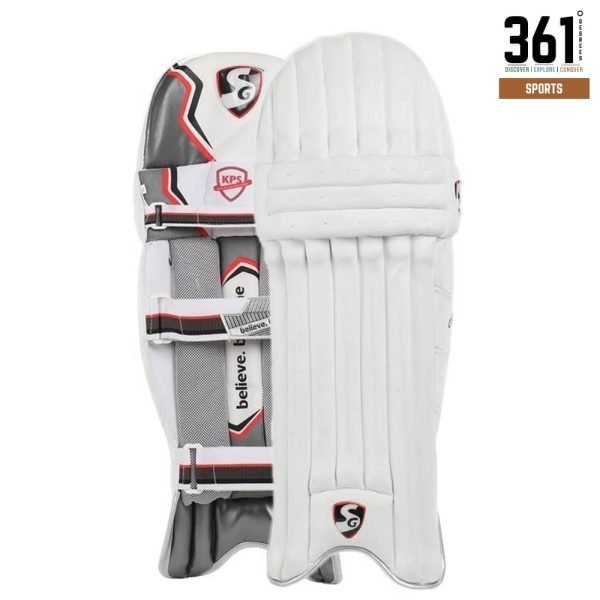
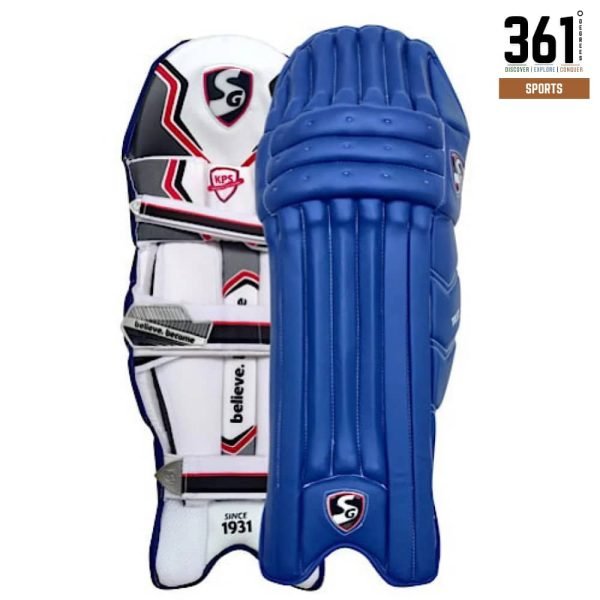
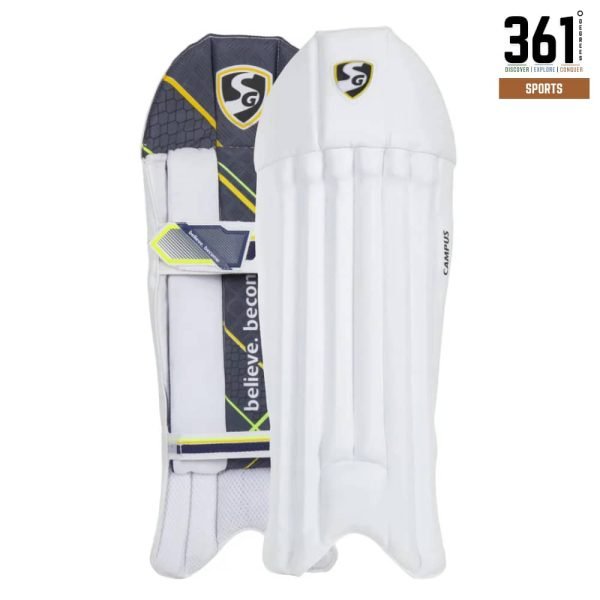
SG Club Wicket Keeping Pads - PVC with Mesh Instep
SG · SKU B730

SG Club Wicket Keeping Pads - PVC with Mesh Instep

Cricket Pads

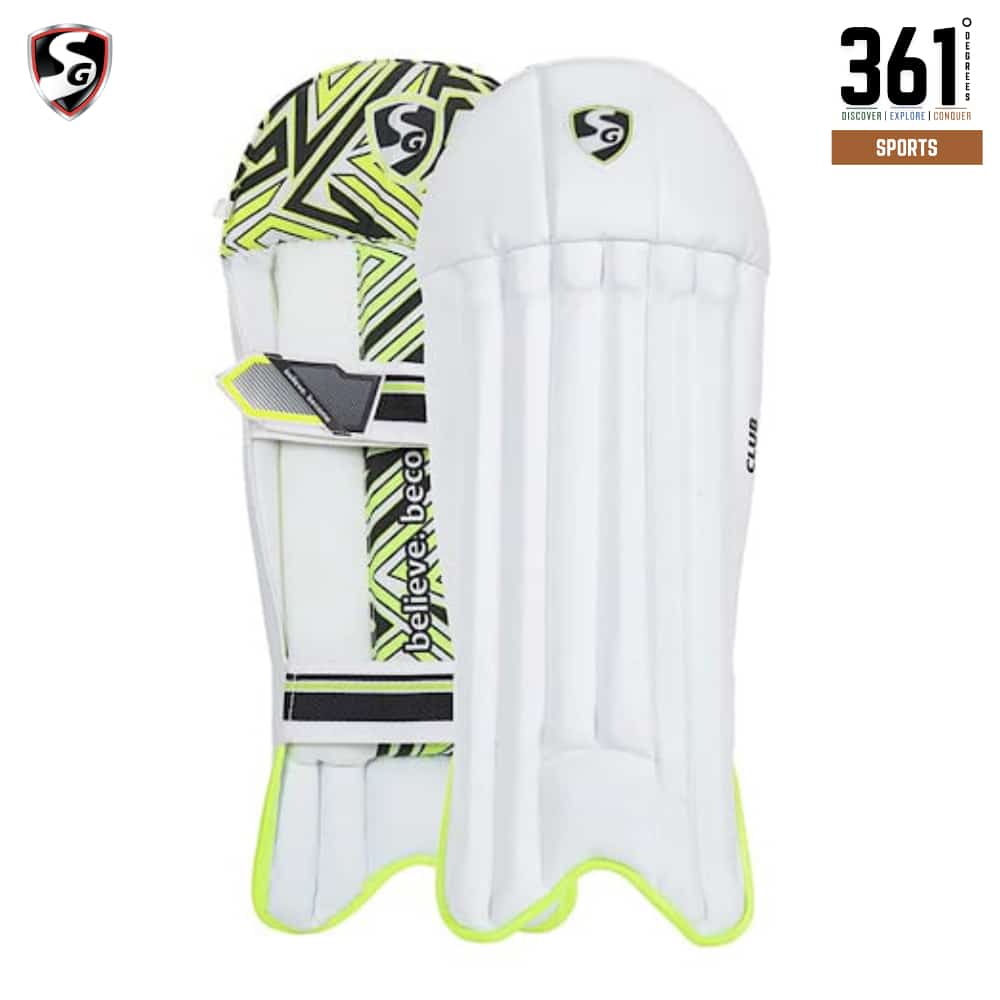
Traditional PVC-faced keeping pads with a high-density foam insert in the top hat, a compact wrap-around fit and a mesh instep. Four sizes from small junior to adult.

From TZS75,000+ VAT
In stock
DeliveryDelivered across Tanzania with additional delivery charges.
Visit our showroom to pick upOpen in Google Maps
Payment Options
  • Cash on Delivery. You can pay cash at our store on pickup, or pay the rider upon delivery (Dar es Salaam only).

  • Pay by Lipa Number

    M-PesaYasAirtel MoneyHalotelSelcom
  • Pay by Card

    VisaMastercardAmerican ExpressDiscoverUnionPay
  • Pay by Apple Pay or Google Pay

    Apple PayGoogle Pay
Highlights

Compact, because a keeper has to fold up

A keeping pad has to let the leg fold completely - a keeper spends the innings in a full crouch. Compact pads that sit below the knee and wrap the leg are what allow that. A pad that reaches up the thigh stops a keeper getting down at all.

Compact wrap-around fit

Sits close to the leg and lets the knee fold fully into a crouch.

High-density foam in the top hat

Protection at the top of the pad, where a deflection catches the knee.

Mesh instep with hard-wearing piping

Ventilated underfoot and reinforced where the pad drags on the ground.

Four sizes

Small junior, junior, youth and adult - the widest of SG-s keeping pad range.

Product description

About this product

These are traditional PVC-faced wicketkeeping pads with a compact wrap-around fit.

The compactness is the design requirement. A wicketkeeper spends an innings folding into a full crouch and standing up again, several hundred times, and then has to dive sideways from that position. A pad that is long, broad or stiff makes all of that harder and considerably more tiring. Keeping pads sit below the knee, wrap closely round the leg and are much smaller than batting pads for exactly this reason – which is why a keeper wearing batting pads, a common sight in club cricket, is fighting their own equipment.

Protection is concentrated where it is actually needed. The ball a keeper takes on the leg is usually a deflection or a bounce rather than a full-pace delivery, so the pads do not need a batsman-s blocking area. What they do need is a high-density insert at the top hat, where a deflection catches the knee.

The mesh instep is a sensible feature here. The instep is under the foot, on the ground every time the keeper goes down, and it is both the busiest wear point and the hottest part of the pad. Mesh with reinforced piping lets air through and holds up to the abrasion.

Four sizes from small junior up to adult, which is the widest range in SG-s keeping pads and makes this the practical choice for a school or club.

Specifications

The details

BrandSG (Sanspareils Greenlands, Meerut, India)
ModelClub wicket keeping legguard
FacingHigh-quality PVC
PaddingHigh-density foam padded insert in the top hat
FitCompact wrap-around
InstepMesh with hard-wearing piping
SizesSmall Junior, Junior, Youth, Adult
Sold asOne pair
NotBatting pads - keeping pads are smaller and lighter by design
SKUB730
Questions

Good to know

Why are keeping pads smaller than batting pads?

Because the jobs are different. A batsman blocks a ball at full pace; a keeper takes deflections and bounces that have lost most of their speed, while crouching several hundred times and diving both ways. Keeping pads are compact so the keeper can move.

Can I use these for batting?

No. They do not have the blocking area or the padding depth to stop a ball at full pace. Batting pads and keeping pads are different products and using one for the other is a bad idea in either direction.

How should they fit?

Below the knee, wrapped close to the leg, with the joint completely free to fold. If you cannot get right down into a full crouch comfortably, the pads are too long.

Which part wears out first?

The instep and the lower back of the pad - both on the ground every time the keeper goes down. It is the busiest wear point in any cricket kit bag.

How should protective equipment fit?

Snug enough that it does not move when you do, loose enough not to restrict you. Pads should let you run; gloves should let you grip without gaps at the fingertips; a helmet should not rock when you shake your head. Kit that moves on impact is protecting the wrong place at the wrong moment.

How do I look after protective gear in this climate?

Take it out of the bag the moment you get home and let it dry in the shade. Padding and straps that stay damp in a closed kit bag grow mould and rot within weeks here - far faster than the equipment wears out from use. This is the single thing that decides how long cricket kit lasts in Tanzania.

Does a keeper need a helmet?

Standing up to the stumps, yes - a deflection arrives with no reaction time. Standing back, most keepers do not. Junior cricket increasingly requires one for keepers standing up.

Do you deliver in Dar es Salaam?

Yes. We deliver across Dar es Salaam and ship nationwide to Arusha, Mwanza, Dodoma, Zanzibar and beyond. You can also collect from our shop.

SG Club Wicket Keeping Pads - PVC with Mesh InstepSG Club Wicket Keeping Pads - PVC with Mesh Instep
From TZS75,000+ VAT